How to Restore and Protect Your Vehicle Inside and Out
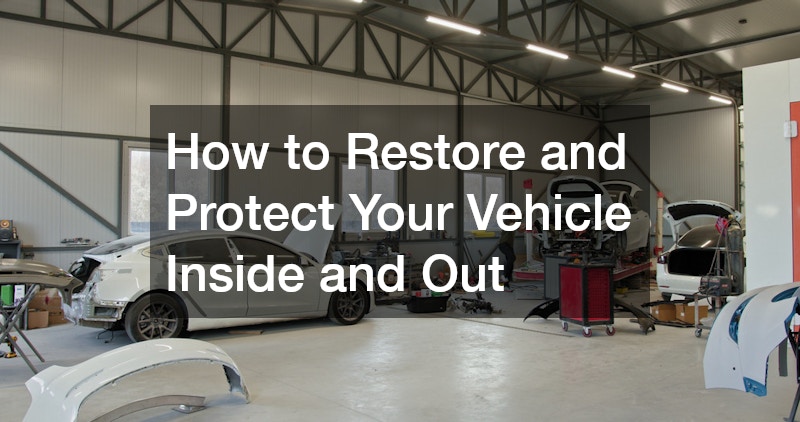
Driving a pristine vehicle off the dealer lot is an unbeatable feeling. The paint shines like glass, the cabin smells crisp and clean, and the engine hums with quiet efficiency. Over time, however, daily commuting, harsh UV rays, road debris, and general wear begin to take a heavy toll. Most car owners react only when a clear breakdown occurs or when the exterior coat looks severely dull, missing the opportunity to preserve value along the way.
Restoring and protecting a vehicle requires a holistic approach. Focusing strictly on mechanical upkeep while ignoring body degradation leads to an unreliable, unsightly vehicle. Conversely, perfecting the paint while neglecting internal components leaves you with a beautiful car stuck on the side of the highway. By dividing your efforts across paint preservation, structural rim care, mechanical health, drivetrain optimization, and interior upgrades, you can transform an aging car into a reliable, showroom-quality ride.
Shielding Exterior Paintwork from Highway Debris and Scratches
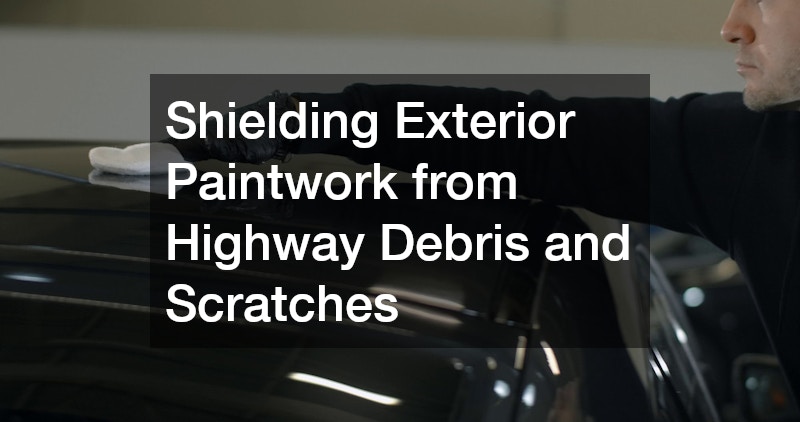
Your vehicle’s exterior paint is its first line of defense against the harsh realities of daily driving. Constantly bombarded by flying gravel, road salt, bug splatter, and acidic bird droppings, delicate clear coat finishes break down rapidly without physical or chemical barriers. Protecting this layer early stops body rust and clear coat failure before they can ever gain a foothold.
The front section of any vehicle bears the brunt of highway impacts. High-velocity pebbles kick up from truck tires, causing micro-fractures in the paint that eventually peel, rust, or corrode.
- Installing a clear PPF coating across vulnerable panels like the front bumper, hood leading edge, side mirrors, and rocker panels creates a dense thermoplastic urethane barrier that absorbs impact energy seamlessly.
- Premium protection films feature advanced topcoats that naturally heal minor swirl marks and light scratches when exposed to direct sunlight, engine warmth, or hot water.
- You do not always need to wrap an entire vehicle to get great protection. Applying impact barriers strictly to leading edges offers the highest return on investment while keeping overall restoration costs manageable.
Transforming Aesthetics While Preserving Original Factory Paint
Beyond standard clear protection films, full body wraps offer an effective, creative way to completely change your vehicle’s look without altering or damaging its original factory paint job. The process involves laying a high-grade protective vinyl sheet directly over the factory clear coat, which shields the finish underneath while displaying a brand-new custom color or texture on the outside.
Quality vehicle wrap services allow owners to choose from matte, satin, metallic, or gloss color alterations without committing to a costly, permanent paint job. The thick vinyl layer acts as a sacrificial shield against intense UV rays, light surface scratches, and environmental staining. When it comes time to sell or return the car to its original state, the wrap can be safely peeled off by a professional, revealing perfectly preserved original paint underneath.
Locking in Deep Gloss and Hydrophobic Paint Protection
Once physical hazards are managed with protective films or custom wraps, the next logical goal is maintaining surface depth, gloss, and clarity while protecting against chemical weathering.
Traditional car wax degrades within a few weeks, especially when exposed to harsh automatic car wash soaps, rain, or intense summer heat. A liquid silica-based car ceramic coating creates a permanent or semi-permanent chemical bond with your paint’s top layer, offering years of continuous protection and gloss.
To achieve optimal, long-lasting results, the application must follow a strict, careful sequence:
- The paint undergoes a thorough wash and chemical decontamination to strip away stubborn road tar and embedded iron particles.
- A clay bar treatment and multi-stage machine polish level out existing surface imperfections, light scratches, and haze.
- An isopropyl alcohol wipe thoroughly removes residual polishing oils from the clear coat.
- The liquid coating is carefully hand-applied in small sections, allowed to flash, and buffed to a crystal-clear cure.
The resulting surface exhibits powerful hydrophobic water beading, causing rain to gather into tight droplets that slide right off, carrying away dust, dirt, and road grime effortlessly. Furthermore, ceramic barriers prevent tree sap and road salts from etching into the finish.
Restoring Curb-Rashed Alloy Wheels to Factory Precision
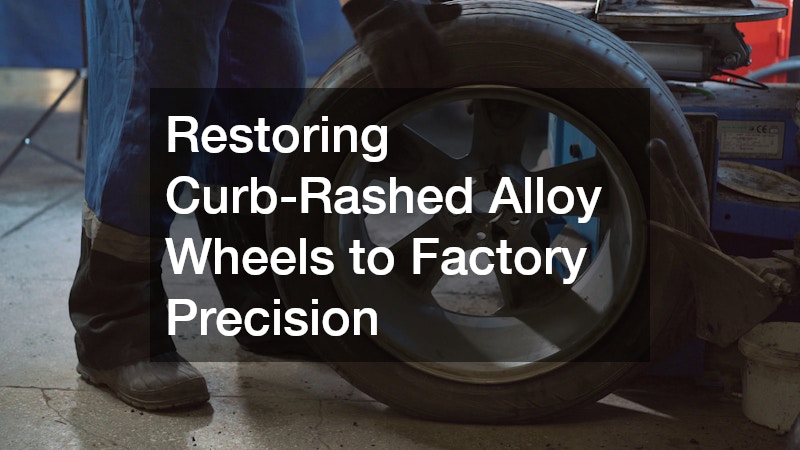
Uncut concrete curbs, tight parking spots, and deep driveways frequently cause unsightly rashes along alloy wheel edges. Leaving bare metal gouges exposed leads to rapid oxidation, clear coat peeling, unsightly discoloration, and compromised tire bead seals over time.
Sending damaged wheels to certified local wheel repair specialists corrects these cosmetic and structural flaws through meticulous engineering processes. Technicians mount the damaged wheel on a specialized CNC lathe to shave away precise micro-layers of damaged aluminum, weld deeper gouges back to flush proportions, and re-powder coat the entire surface for a long-lasting factory finish.
Addressing Structural Bends, Hairline Cracks, and Wheel Vibrations
Not all wheel damage is purely cosmetic. Hard impacts with deep potholes, expansion joints, or curb lips can easily bend inner wheel barrels or create tiny hairline cracks that slowly bleed tire air pressure over several days.
- Unexplained steering wheel vibrations or cabin wobbles at highway speeds often point to a warped inner rim barrel rather than a simple tire imbalance.
- Professional rim repair utilizes hydraulic press machinery, dial indicators, and heating elements to carefully push bent barrels back to a perfectly concentric shape without weakening the metal.
- Certified technicians conduct dye-penetrant tests or structural pressure checks to ensure the aluminum structure hasn’t suffered deep fatigue cracks before returning the wheel to high-speed road service.
Establishing Routine Maintenance Schedules to Prevent Failure
Cosmetic brilliance means very little if your vehicle suffers from underlying mechanical faults. Maintaining the chassis, suspension, engine bay, and overall structural integrity ensures your ride remains smooth, safe, quiet, and fuel-efficient.
Proactive mechanical care keeps minor wear items from cascading into sudden, expensive engine failures. The process relies on a continuous loop of performance: regular physical inspections lead to early wear detection, allowing you to perform scheduled replacements before small faults cause major breakdowns, ultimately resulting in long-term vehicle reliability.
Staying ahead of fundamental auto repair ensures that wearable components like brake pads, brake rotors, serpentine belts, spark plugs, and cooling hoses are replaced well before they fail on the road. Keeping thorough service records not only maintains engine health but also dramatically boosts resale value when transferring ownership down the line.
Flushing Fluids and Servicing Gears for Smooth Power Delivery
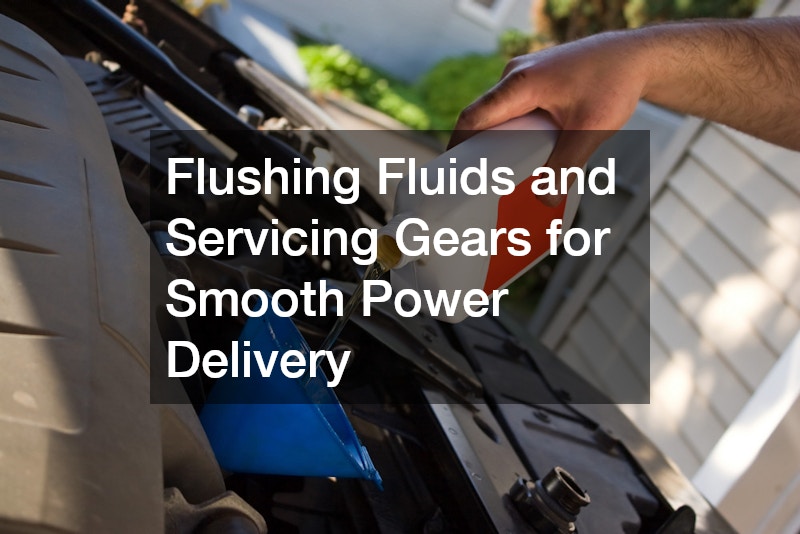
The drivetrain transmits raw engine power directly to the road wheels. Neglecting gearboxes, transfer cases, differentials, and specialized drive components will cause performance drop-offs, rough gear shifting, and premature mechanical failure.
Transmission fluid deteriorates over time under intense thermal stress and continuous shear forces. Friction material from internal clutch packs and tiny metal particles accumulate inside the fluid, clogging small passages inside the hydraulic valve body.
- Scheduling regular transmission services ensures contaminated fluid and metal filings are completely flushed out and replaced with fresh, clean synthetic lubricant.
- Fresh fluid restores correct hydraulic pressure inside the gearbox, resulting in crisp gear engagement, smoother shifts, and significantly cooler operating temperatures under load.
- Do not forget front and rear differential oil changes, especially on all-wheel-drive crossovers, performance sports cars, or heavy trucks frequently used for towing heavy cargo.
On-Site Mechanical Servicing for High-Torque Diesel Engines
Diesel engines offer unmatched torque, heavy towing capability, and legendary operational longevity, but their complex high-pressure fuel systems, turbochargers, and advanced emissions equipment demand precise care.
Diesel fuel injectors operate under extreme pressure and tight tolerances. Regular filter swaps, moisture drainage, and fuel system flushes prevent fuel contamination from destroying expensive high-pressure injection pumps and injectors.
For heavy-duty truck owners, commercial drivers, or business fleet managers, hiring certified mobile diesel mechanics eliminates the costly downtime of driving to a physical repair shop and waiting in line. On-site technicians can diagnose check engine lights, replace glow plugs, service Exhaust Gas Recirculation systems, swap fuel filters, and perform complete oil services directly at your home driveway or fleet parking depot.
Repairing Torn Seams and Refreshing Worn Cabin Upholstery
You spend all your time inside the cabin while driving, making interior restoration just as important as mechanical or exterior body care. Revitalizing worn seating materials, sagging headliners, and faded carpets makes every commute far more enjoyable.
Sun exposure and UV radiation dry out leather seats, causing unsightly cracks, seam splits, color fading, and stiff textures over time. Factory foam padding underneath also collapses over the years of body weight, leading to poor driving posture, back fatigue, and physical discomfort.
Proper cabin upholstery restoration requires stripping away damaged old material, rebuilding and bolstering the internal foam core with high-density materials, custom-fitting new cover panels, and using precision steam shaping to mold the material smoothly over the seat frame.
Partnering with skilled local upholsterers allows you to replace damaged leather panels, repair sagging headliners, and rebuild worn foam bolsters. Options range from original factory-spec leather to modern synthetic suede or heavy-duty marine-grade vinyl for superior stain resistance. Interior work also provides a great opportunity to personalize your cabin with custom contrast stitching, perforated inserts, or custom embroidered seat emblems.
Integrating Touchscreens and Modernizing Dashboard Electronics

Older vehicles often lack essential modern tech features like hands-free calling, real-time GPS navigation, blind-spot monitoring, and clear backup cameras. Modernizing your dashboard electronics brings older vehicles right into the current digital era.
Integrating a modern multi-zone AV system breathes new electronic life into an aging interior. Installing double-DIN touchscreens with wireless smartphone integration gives you modern navigation and streaming connectivity without altering the original factory dash layout.
Adding sound-dampening butyl rubber sheets inside door panels during speaker upgrades blocks outside road noise, creating a quiet, high-end acoustic environment that lets your sound system perform at its absolute best.
Managing Vehicle Systems for Peak Performance and Safety
A truly restored vehicle relies on seamless integration across every major sub-system. Steering, braking, cooling, and electrical components must work together in harmony to deliver a refined driving experience.
Inspecting power steering fluid, flushing brake lines to remove moisture, replacing aged cabin air filters, and testing battery output regularly prevent sudden electronic glitches. Taking time every season to evaluate all vehicle systems holistically guarantees that cosmetic upgrades are always backed by total mechanical reliability.
Comprehensive Maintenance and Restoration Schedule
To keep your vehicle restoration and protection project structured over the long term, break down your tasks into a clear, recurring schedule across all major vehicle zones:
Paintwork Maintenance Schedule
Perform a thorough paint correction and ceramic barrier refresh every two to three years. This ongoing care preserves deep hydrophobic gloss, prevents UV oxidation, and keeps clear coats from prematurely aging under the sun.
Wheels and Steering Schedule
Inspect wheels, balance tires, and perform a full suspension alignment every 10,000 miles. Routine checks prevent uneven tire tread wear and help technicians spot bent barrels or hairline cracks before they cause dangerous air pressure drops.
Engine Powertrain Schedule
Service engine oil, change engine air filters, check drive belts, and inspect cooling hoses every 5,000 to 7,500 miles. Consistent lubrication and fluid checks keep internal engine components running smoothly and operating at peak thermal efficiency.
Drivetrain and Gearbox Schedule
Perform transmission and differential fluid flushes every 30,000 to 50,000 miles. Replacing old, heat-degraded lubricant guarantees crisp gear engagement, keeps valve bodies clean, and stops internal clutch bands from wearing down prematurely.
Interior Cabin Maintenance Schedule
Deep clean cabin materials, condition leather seating, and check electronic display connections every six months. Regular conditioning prevents leather seats from cracking under sun exposure and keeps modern dashboard technology operating reliably.
Final Thoughts on Complete Vehicle Preservation
Restoring and protecting a vehicle is an ongoing commitment that pays massive dividends in reliability, aesthetics, and long-term resale value. By systematically addressing exterior paint defense, wheel balance, mechanical health, drivetrain precision, and cabin ergonomics, you transform an aging automobile into a resilient machine. Take an objective walk around your driveway today, pinpoint the area that needs immediate care, and begin your restoration journey step by step.
Consider starting with small repairs that can make a significant impact, like fixing minor dents or replacing worn-out parts. Regular maintenance checks can help you catch potential issues before they escalate, saving you time and money in the long run. Documenting each step of your restoration not only helps track progress but also serves as a great reference for future projects. As you invest in your vehicle, you’ll find that the joy of driving it becomes even more fulfilling.