
Signs Your Car May Not Be Safe to Drive
Staying Alert to Dangerous Vehicle Warning Signs
Most drivers depend on their vehicles every day without thinking much about the complex systems working together under the hood. Modern cars are designed to be reliable, but even the best-maintained vehicles eventually develop problems. The trouble is that many safety issues begin with small warning signs that are easy to overlook. A strange noise, unusual vibration, warning light, or minor leak may not seem urgent at first, but these symptoms often indicate serious underlying problems.
Ignoring vehicle warning signs can put both drivers and passengers at risk. Mechanical failures increase the chances of accidents, sudden breakdowns, and expensive repairs. Problems with steering, braking, suspension, tires, or engine performance can quickly worsen if they are not addressed early.
Fortunately, vehicles usually provide clear signs when something is wrong. Paying attention to these indicators and acting quickly can help prevent dangerous situations on the road. Understanding the most common warning signs of unsafe driving conditions is one of the best ways to protect yourself, your passengers, and other drivers.
Unusual Sounds Often Mean Something Is Failing
Strange noises are one of the earliest signs that a vehicle may not be safe to drive. While many drivers turn up the radio and ignore unusual sounds, grinding, squealing, clunking, knocking, and rattling noises often signal mechanical issues that need immediate attention.
Grinding sounds coming from the wheels may indicate worn brake pads or damaged rotors. Squealing belts could point to worn pulleys or slipping components under the hood. Knocking noises inside the engine may suggest low oil pressure or internal engine wear. Clicking sounds during turns sometimes indicate failing axle joints or drivetrain problems.
A qualified mechanic can inspect the source of these sounds before the issue becomes more severe. Early diagnosis often prevents costly failures and helps maintain vehicle safety. Unfortunately, many drivers wait until the noise becomes constant or much louder before scheduling service.
Delaying auto repair can lead to major system damage that affects drivability and safety. A simple worn component may eventually damage surrounding parts if ignored. For example, a failing wheel bearing can eventually affect wheel stability, while worn belts may damage engine accessories if they break.
Drivers should pay close attention to when noises occur. Sounds during braking, turning, accelerating, or idling often provide clues about the underlying issue. If the sound changes suddenly or becomes more aggressive, the vehicle should be inspected immediately.
Weak Braking Performance Creates Serious Safety Risks
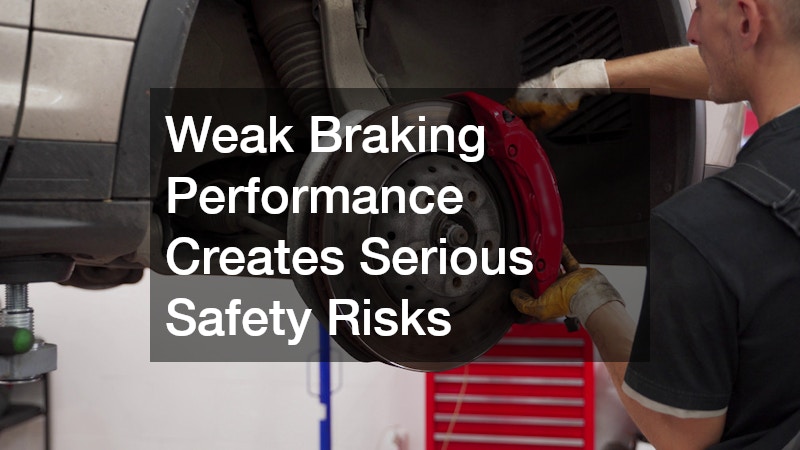
Your braking system is one of the most important safety features in your vehicle. Even minor brake issues can dramatically increase stopping distances and reduce your ability to avoid collisions. Unfortunately, many drivers ignore early brake warning signs until the problem becomes dangerous.
A soft brake pedal, vibration while braking, squealing noises, or pulling to one side are all indications that something may be wrong. Drivers may also notice the vehicle takes longer to stop or that the pedal feels unusually stiff or spongy.
Worn brakes reduce stopping power and place additional stress on the entire braking system. Damaged pads, leaking brake fluid, worn rotors, or failing calipers can all compromise vehicle control during emergency situations.
Routine auto services help identify brake wear before dangerous failures occur. During inspections, technicians check pad thickness, rotor condition, brake fluid levels, and hydraulic system performance. These preventative checks are essential because some brake problems develop gradually over time.
Drivers should never ignore warning lights related to the braking system. A brake warning light may indicate low fluid levels, hydraulic failure, or serious system malfunctions. If braking performance suddenly changes, the vehicle should not continue being driven until it has been professionally evaluated.
Safe braking is critical in heavy traffic, poor weather, and emergency situations. Addressing brake concerns early helps drivers maintain full control and reduces the risk of accidents.
Tire Wear Problems Can Reveal Hidden Vehicle Issues
Tires provide the only direct contact between your vehicle and the road, making them essential for safe handling and traction. Uneven tire wear often signals deeper issues that can affect steering, braking, and overall vehicle stability.
Drivers should inspect their tires regularly for bald spots, uneven tread wear, cracks, or sidewall damage. Excessive wear on one side of the tire often indicates suspension or alignment issues that require professional attention.
Poor alignment affects how the tires contact the road surface. Vehicles with alignment problems may pull to one side, feel unstable at highway speeds, or experience rapid tire wear. Misalignment can also reduce fuel efficiency and increase stress on steering components.
Visiting a professional tire shop helps drivers identify unsafe tire conditions before they lead to blowouts or handling problems. Tire specialists can inspect tread depth, balance, inflation levels, and overall tire condition.
Regular alignment checks improve handling, extend tire life, and reduce unnecessary strain on the suspension system. Drivers who frequently hit potholes, curbs, or rough roads may require alignment corrections more often.
Unsafe tires dramatically increase stopping distances and reduce traction during rain, snow, or icy conditions. Replacing worn tires promptly helps maintain safe road performance year-round.
Excessive Vibrations Affect Stability and Handling
A vehicle that vibrates excessively while driving is often warning the driver about suspension, steering, or drivetrain problems. Vibrations may occur at certain speeds, while braking, during acceleration, or while turning.
Common causes include worn shocks, damaged suspension components, bent wheels, failing joints, or tire balance problems. Some vibrations may seem minor at first but can quickly worsen over time.
Professional steering and suspension repairs help restore vehicle stability and improve handling. Suspension systems play a critical role in maintaining tire contact with the road while absorbing bumps and road imperfections. When these components wear out, the vehicle becomes more difficult to control.
Drivers may notice excessive bouncing after hitting bumps, swaying during turns, or instability at higher speeds. These symptoms often indicate worn shocks or struts that reduce overall vehicle control.
A skilled mechanic can identify whether vibrations originate from the suspension, tires, steering system, or drivetrain. Diagnosing the exact cause early helps prevent additional wear on surrounding components.
Driving with worn suspension parts increases accident risk because the vehicle may respond unpredictably during sudden maneuvers or emergency braking situations. Restoring proper suspension performance improves both comfort and safety.
Dashboard Warning Lights Should Never Be Ignored

Modern vehicles use advanced sensors to monitor critical systems and alert drivers when problems develop. Dashboard warning lights exist for a reason, yet many drivers continue operating vehicles without understanding what the warnings mean.
While some lights indicate minor maintenance reminders, others point to serious mechanical or safety concerns. Warning lights related to the engine, oil pressure, brakes, battery, transmission, or airbags should always be taken seriously.
Failing car parts often trigger dashboard alerts before complete system failure occurs. For example, a check engine light may indicate anything from a loose gas cap to serious ignition or fuel system problems. Oil pressure warnings could signal dangerous lubrication issues capable of damaging the engine within minutes.
Professional auto repair shops use diagnostic equipment to identify the source of warning lights accurately. Ignoring these alerts may allow minor issues to develop into major mechanical failures.
Drivers should also pay attention to flashing warning lights, which often indicate urgent problems requiring immediate service. Continuing to drive with active warning indicators can place unnecessary strain on the vehicle and create unsafe driving conditions.
Understanding the importance of dashboard alerts helps drivers stay proactive about maintenance and avoid preventable breakdowns.
Collision Damage Can Affect More Than Appearance

After even a minor accident, some drivers focus only on visible cosmetic damage without realizing the collision may have affected structural or mechanical systems. Dents, scratches, and cracked panels may hide deeper safety concerns underneath the surface.
An experienced auto body shop can inspect the vehicle for hidden frame damage, suspension issues, and alignment problems following a collision. Even low-speed impacts may shift structural components enough to affect handling and crash protection.
Drivers should watch for warning signs after an accident, including steering problems, unusual tire wear, uneven panel gaps, or vibrations while driving. Misaligned body panels, doors that no longer close properly, or unusual noises can all indicate structural damage.
Professional auto services following a collision help ensure the vehicle remains safe to operate. Repairs may involve frame straightening, suspension inspections, wheel alignment, and replacement of damaged components.
Driving a vehicle with unresolved structural damage may compromise airbag deployment, steering response, and overall crash protection. Prompt inspections help restore both safety and vehicle performance after an accident.
Fluid Leaks Can Quickly Lead to Major Failures
Fluid leaks are one of the clearest warning signs that something is wrong with a vehicle. Unfortunately, many drivers ignore small puddles under the car until the leak becomes severe enough to affect performance.
Different fluids serve essential roles in keeping the vehicle running safely. Engine oil lubricates moving parts, coolant regulates temperature, transmission fluid supports shifting performance, and brake fluid maintains stopping power.
Leaking fluids may indicate worn seals, damaged hoses, failing gaskets, or cracked components. Ignoring leaks can eventually damage major car parts and lead to costly repairs or dangerous driving conditions.
A qualified mechanic can identify the source of leaks and determine whether immediate repairs are necessary. Some leaks, such as brake fluid or coolant leaks, create particularly serious safety risks.
Drivers should pay attention to fluid colors and odors. Dark brown or black fluid often indicates oil leaks, green or orange fluid may signal coolant issues, and reddish fluid may point to transmission problems.
Addressing leaks early prevents overheating, engine damage, transmission failure, and brake system malfunctions. Regular inspections help identify leaks before they become emergencies.
Sudden Breakdowns Create Dangerous Roadside Situations
Vehicle breakdowns are not only frustrating but also potentially dangerous, especially on busy highways or in poor weather conditions. Many breakdowns occur because drivers ignored earlier warning signs such as strange noises, overheating, fluid leaks, or warning lights.
Common causes of breakdowns include dead batteries, overheating engines, fuel system failures, alternator problems, and worn belts or hoses. In some cases, vehicles stop running without much warning at all.
When a vehicle becomes unsafe to drive, calling a professional tow truck service is often the safest option. Continuing to drive a failing vehicle may worsen the damage or create additional hazards for other motorists.
Drivers experiencing breakdowns should move to a safe location if possible, activate hazard lights, and remain inside the vehicle when traffic conditions are dangerous. Emergency roadside kits, flashlights, and reflective triangles can also improve visibility and safety.
Preventative auto repair reduces the likelihood of sudden breakdowns by addressing worn components before they fail completely. Routine inspections help identify weak batteries, damaged belts, fluid leaks, and other issues that commonly leave drivers stranded.
Staying proactive about maintenance significantly lowers the risk of emergency roadside situations.
Steering Problems Can Make Vehicles Difficult to Control
Steering problems are among the most dangerous issues drivers can experience because they directly affect the ability to control the vehicle. Loose steering, delayed response, shaking, or pulling to one side may all indicate serious underlying problems.
Worn steering components, damaged suspension parts, and poor alignment often contribute to unstable handling. Drivers may notice the steering wheel feels loose, stiff, or unusually sensitive while driving.
Professional steering and suspension repairs help restore precise handling and vehicle stability. Technicians inspect tie rods, ball joints, steering racks, bushings, and suspension components to identify worn or damaged parts.
Poor alignment also affects steering response by causing uneven tire contact with the road surface. Vehicles with alignment issues may drift between lanes or require constant steering corrections while driving.
Drivers should never ignore changes in steering feel or vehicle control. These symptoms may worsen quickly and increase accident risk, particularly during emergency maneuvers or adverse weather conditions.
Maintaining responsive steering improves overall safety, handling confidence, and driver comfort on the road.
Preventative Maintenance Helps Drivers Avoid Unsafe Conditions
The safest vehicles are typically the ones that receive consistent preventative maintenance. Many dangerous mechanical failures can be avoided through regular inspections, fluid changes, tire rotations, and system evaluations.
Routine visits to a trusted tire shop help drivers monitor tread wear, tire pressure, balancing, and overall tire condition. Healthy tires improve traction, handling, braking performance, and fuel efficiency.
Similarly, inspections at a qualified auto body shop can identify hidden damage after minor accidents that drivers may otherwise overlook. Structural evaluations help ensure the vehicle remains safe following impacts or road debris incidents.
Drivers should also follow manufacturer maintenance schedules for oil changes, fluid flushes, filter replacements, and brake inspections. These routine services help extend vehicle lifespan while reducing the risk of breakdowns and unsafe driving conditions.
Preventative care not only improves reliability but also helps drivers save money by catching problems early before they become major repairs.
Paying Attention Early Can Prevent Serious Accidents
Vehicles rarely fail without warning. Most unsafe driving conditions develop gradually and provide clear signs before becoming dangerous. Strange noises, warning lights, poor braking, uneven tire wear, steering problems, vibrations, leaks, and breakdowns are all indicators that something may be wrong.
Ignoring these warning signs can place drivers, passengers, and other motorists at serious risk. Addressing small issues early often prevents larger mechanical failures and helps maintain safe vehicle performance.
Regular inspections, preventative maintenance, and fast repairs are some of the best ways to keep your car reliable and safe on the road. Staying proactive not only protects your investment but also provides peace of mind every time you drive.