Your Guide to Getting Auto Work Done After an Accident
A car accident can disrupt your routine in seconds, leaving you with more than just a damaged vehicle. Such an event can feel like an unwelcome whirlwind with a plethora of unexpected tasks landing on your plate. Between dealing with often complex and confusing insurance processes, assessing the extent of necessary repairs, and figuring out alternative transportation options if your car is not immediately drivable, the entire ordeal can become overwhelming. Amid this chaos, stress runs high, and it’s easy to make quick decisions that might not be in your best interest. The good news is that with the right approach and a calm, methodical plan, you can navigate the aftermath confidently, ensuring your vehicle repairs are handled efficiently while avoiding unnecessary expenses and potentially costly mistakes. Taking the time to understand the process and know your options can save you both time and money.
This comprehensive guide aims to walk you through each critical step of getting your vehicle back on the road after an accident, paving the way for a smoother recovery process. As you embark on this journey, you’ll begin by evaluating the extent of the damage, whether it manifests as minor cosmetic fixes like dents and scratches, or more severe issues requiring major structural repairs. Choosing the right professionals to undertake these repairs is crucial; hence, this guide will provide tips on how to select a reputable repair shop that can ensure your vehicle is restored to its pre-accident condition. Throughout each stage, from obtaining estimates to monitoring the repair work, this guide emphasizes the importance of understanding this sometimes confusing process. By gaining insights into how to interact effectively with all parties involved—insurers, repair shops, and possibly legal advisors—you set the stage for making informed decisions. Ultimately, such knowledge protects your investment in the vehicle, allowing you to retain its value and reliability while fostering peace of mind.
Start With Safety And Immediate Damage Assessment
Your first priority after any accident is safety. Before thinking about your vehicle, check yourself and any passengers for injuries and call emergency services if needed. Once everyone is safe, you can begin assessing the condition of your car.
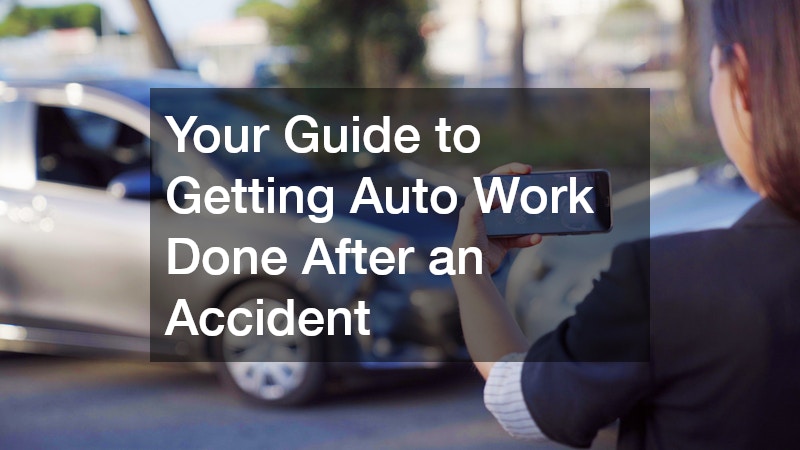
Start by documenting everything. Use your phone to take clear photos and videos of:
- All sides of the vehicle
- Close-ups of visible damage
- The surrounding scene, including road conditions and other vehicles
This documentation is critical for insurance claims and repair estimates. Even small details can make a difference later.
Next, determine whether your vehicle is safe to drive. Signs you should avoid driving include:
- Fluid leaks under the car
- Misaligned wheels or difficulty steering
- Strange noises when the engine is running
- Airbags that have deployed
If you notice any of these issues, arrange for a tow instead of risking further damage or safety hazards.
Understand What Needs Repair Vs. Replacement
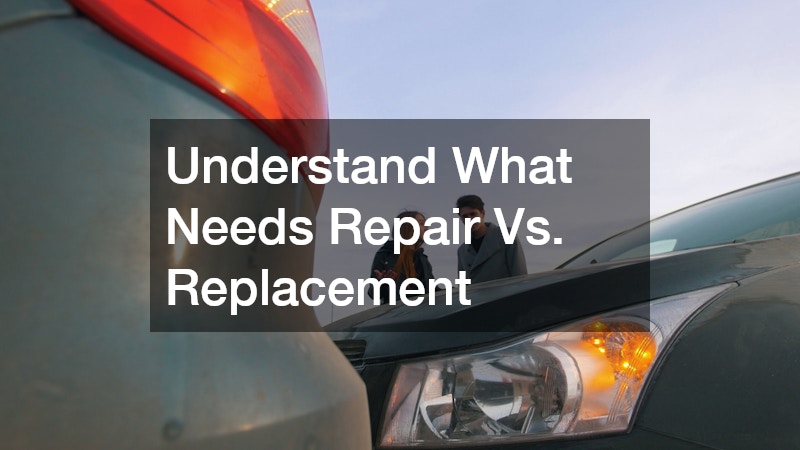
Once your vehicle has been inspected, you’ll need to understand which parts can be fixed and which must be replaced. This is where repair expertise becomes essential.
Many drivers assume that visible damage tells the whole story, but that’s rarely the case. For example, bumper repairs often involve more than fixing a dented exterior. Modern bumpers contain sensors, brackets, and structural components that may also be damaged.
A professional auto repair assessment typically includes:
- Inspecting structural components beneath visible damage
- Checking alignment and frame integrity
- Evaluating safety systems like airbags and sensors
Ask your technician to walk you through their findings. Understanding why certain parts need replacement helps you make informed decisions and avoid unnecessary costs.
Choose The Right Shop Without Getting Overwhelmed
Finding a reliable place to fix your car can feel daunting, especially when you’re already dealing with stress. Not all car repair shops offer the same level of service, so it’s important to do your homework.
Start by researching local options and narrowing down your choices. Look for:
- Certifications such as ASE (Automotive Service Excellence)
- Strong online reviews and consistent customer feedback
- Transparent pricing and clear communication
When evaluating an auto repair shop, don’t hesitate to ask questions like:
- How long will the repairs take?
- Do you offer warranties on parts and labor?
- Will you provide updates during the process?
A trustworthy shop will answer these questions clearly and make you feel confident about leaving your vehicle in their care.
Get A Detailed Estimate And Understand The Costs

Before any work begins, you should receive a detailed estimate outlining the scope of repairs and associated costs. This document is essential for both your financial planning and insurance claim.
A comprehensive estimate should include:
- Labor costs broken down by task
- Parts required for the repair
- Estimated timeline for completion
- Any potential additional charges
It’s always a good idea to get at least two estimates to compare pricing and recommendations. While the cheapest option may be tempting, it’s not always the best choice. Quality workmanship often saves money in the long run by preventing repeat issues.
If something in the estimate is unclear, ask for clarification. Understanding what you’re paying for ensures there are no surprises later.
Know How Insurance Impacts Your Repair Decisions
Insurance plays a major role in how your repairs are handled, but it’s important to remember that you still have choices. Your insurer may recommend certain repair facilities, but you’re typically not required to use them.
Keep these tips in mind when dealing with insurance:
- Review your policy to understand coverage limits and deductibles
- Communicate regularly with your adjuster
- Keep copies of all documentation, including estimates and receipts
If your claim is delayed or partially denied, don’t panic. You can request a second evaluation or provide additional evidence to support your case. Staying organized and proactive will help you navigate the process more smoothly.
Use Technology To Uncover Hidden Vehicle Issues
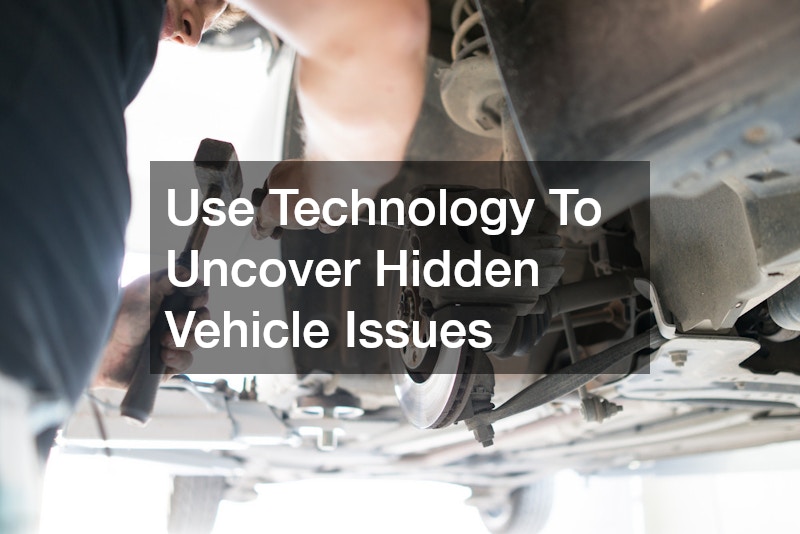
Modern vehicles are equipped with advanced systems that record valuable information during a collision. Automotive crash data retrieval can provide insights into speed, braking, and impact severity, which can be useful for both repairs and insurance claims.
In addition to data retrieval, many shops use advanced auto equipment services to diagnose issues that aren’t visible to the naked eye. These tools can identify problems such as:
- Electrical system malfunctions
- Sensor misalignment
- Internal structural damage
Requesting a diagnostic scan ensures that all issues are addressed—not just the obvious ones. This step is especially important for newer vehicles with complex safety features.
Decide Between New, Aftermarket, And Used Parts
One of the biggest decisions you’ll face during the repair process is choosing which type of parts to use. Each option comes with its own advantages and trade-offs.
Here’s a quick breakdown:
- New (OEM) parts: Made by the vehicle manufacturer, offering the best fit and reliability
- Aftermarket parts: Produced by third-party companies, often more affordable
- Used auto part options: Salvaged from other vehicles, typically the most cost-effective
Using a used auto part can be a smart choice for older vehicles or non-critical components. However, it’s important to ensure the part is in good condition and compatible with your car.
Professional auto equipment services play a key role in proper installation. Even the best part won’t perform well if it’s not installed correctly, so make sure your technician has the tools and expertise needed.
Handle Legal Considerations Before Finalizing Repairs

In some cases, legal factors may influence how and when your repairs are completed. If the accident involved injuries, disputes, or unclear liability, consulting a car accident lawyer can help protect your interests.
A lawyer can assist with:
- Navigating insurance negotiations
- Gathering necessary documentation
- Ensuring you receive fair compensation
It’s important to coordinate with your repair shop if legal action is involved. They may need to preserve damaged parts or provide detailed reports to support your case.
Taking care of legal matters early can prevent complications later and ensure that your repairs align with any claims or settlements.
Consider Whether Repairing The Car Is Worth It
Not every vehicle is worth repairing after an accident. If the cost of repairs approaches or exceeds the car’s value, it may be considered a total loss.
To make this decision, consider:
- The current market value of your vehicle
- The estimated cost of repairs
- The condition of the car before the accident
If repairs don’t make financial sense, selling the vehicle through a junk car for cash program can be a practical alternative. These services purchase damaged vehicles and often handle towing, making the process convenient.
Before making a final decision, weigh your options carefully. In some cases, investing in repairs may still be worthwhile if the car has sentimental value or has been well-maintained.
Plan For Temporary Transportation During Repairs
While your car is being repaired, you’ll need a way to get around. Depending on your situation, there are several options to consider.
Common solutions include:
- Rental cars (often covered by insurance policies)
- Borrowing a vehicle from friends or family
- Using public transportation or rideshare services
For short distances or local errands, a golf cart or low-speed vehicle may be a practical option in certain neighborhoods. This can be especially useful if you live in a community where such vehicles are permitted on local roads.
Planning ahead for transportation helps minimize disruption to your daily routine and ensures you can continue with work and personal responsibilities.
Inspect The Work Before Accepting Your Vehicle Back
When your vehicle is ready, take the time to thoroughly inspect the repairs before driving away. This step is crucial to ensure everything has been completed to your satisfaction.
During your inspection:
- Check the paint for color matching and smoothness
- Look for gaps or misalignment in panels
- Test all lights, signals, and electronic features
- Listen for unusual noises during a test drive
Ask for documentation of the work performed, including warranties for parts and labor. If something doesn’t seem right, bring it up immediately so it can be addressed.
Maintain Your Vehicle After Repairs To Avoid Future Issues
Once your car is back on the road, ongoing maintenance is key to keeping it in good condition. Even high-quality repairs may require follow-up care to ensure long-term performance.
Helpful maintenance tips include:
- Scheduling a follow-up inspection within a few weeks
- Monitoring for delayed issues like alignment problems or warning lights
- Keeping all repair records for future reference
Staying proactive helps you catch potential problems early and protects the value of your vehicle over time.
Recovering from a car accident involves more than just fixing visible damage—it requires careful decision-making at every stage. While it is easy to focus solely on the physical damage to your vehicle, it’s imperative to recognize the full scope of what needs to be addressed to ensure a comprehensive recovery. This starts with an initial assessment of the damage, which may include both visible and hidden issues that could affect the safety and performance of your car. By understanding the repair process, you can make informed choices about the best course of action. This includes selecting the right professionals who are not only skilled in their craft but also have a reputation for honesty and quality service. Staying informed about your options allows you to avoid unnecessary stress and expenses. Knowledge about insurance coverage, repair timelines, and potential costs is crucial to making smart decisions. This proactive approach helps you maintain control over the process, ensuring that everything is handled in a manner that prioritizes your needs and safety.
Taking a thoughtful, step-by-step approach ensures your vehicle is restored safely and reliably. This means not just rushing through the repairs but taking the time to review each stage carefully. Checking for quality parts, understanding the warranty of repairs, and ensuring that all repairs meet safety standards are critical aspects of this process. With the right knowledge and preparation, you’ll be back on the road with confidence and peace of mind. Knowing that your vehicle has been repaired with attention to detail and the utmost care helps in alleviating the anxiety that can accompany driving again after an accident. Trusting that every measure has been taken to restore your car’s condition allows you to focus on getting back to your daily routine without lingering concerns about your vehicle’s safety and performance.