Choosing the Right Protection: Understanding Every Different Type of Coating for Your Car
Protecting your vehicle is more than just keeping it looking shiny—it’s about preserving its value, preventing damage, and maintaining performance over time. With the variety of automotive coatings available today, car owners have numerous options to safeguard their vehicles from environmental damage, minor abrasions, and the effects of weather. From traditional wax coatings to advanced graphene solutions, each type offers unique benefits and drawbacks. Whether you rely on local auto body shops for regular maintenance, need auto dent repair after minor collisions, or seek specialized services such as bmw repairs, choosing the right coating can make a significant difference in long-term care.
Mechanics and auto detailing services often emphasize that the proper coating can reduce the frequency of windshield replacement services, improve the longevity of paintwork, and even enhance the effectiveness of windshield tinting. Additionally, services like powder coating services can protect metal components from corrosion while maintaining a high-quality finish. Understanding each coating type, how it works, and the conditions under which it performs best ensures that every car receives the appropriate level of protection. This guide explores these options, offering insights into their benefits, limitations, application techniques, and maintenance schedules.
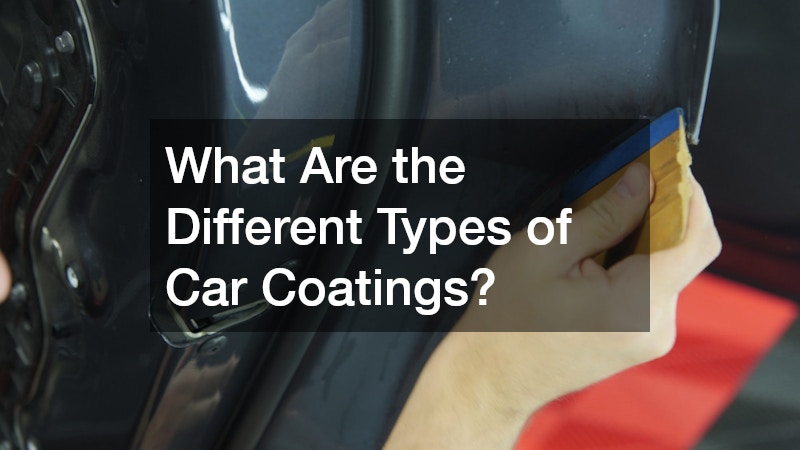
What Are the Different Types of Car Coatings?
Car coatings come in multiple forms, each engineered to provide a specific level of protection. Wax coatings are traditional, affordable options that enhance shine but may require frequent reapplication. Sealant coatings are synthetic, offering longer-lasting protection and better resistance to environmental contaminants than wax.
Ceramic coatings provide a durable, hydrophobic layer that repels dirt, water, and chemicals, making them ideal for car enthusiasts who rely on auto detailing services to maintain showroom-quality finishes.
Paint Protection Film (PPF) is a clear, strong film designed to shield vulnerable areas from rock chips, scratches, and other physical impacts—many local auto body shops recommend PPF for high-traffic zones on vehicles.
Graphene coatings represent the newest innovation, combining durability with advanced heat resistance, chemical repellence, and a glossy finish that enhances paint depth.
Each of these coatings can complement services such as auto dent repair, alignment, and even powder coating services for specific components. Understanding these options, their costs, and how they integrate with regular auto care routines—including mechanics’ maintenance tips and windshield replacement services—helps drivers select the solution that balances protection, appearance, and long-term vehicle value.
How Does a Wax Coating Protect Your Car?
Wax coatings create a thin protective layer over your vehicle’s paint, helping to repel water, road grime, and minor pollutants. One of the main benefits of waxing is its ability to enhance gloss and provide an instant showroom shine, making it a favorite among car enthusiasts who perform DIY auto detailing services. However, wax coatings do have drawbacks: they offer limited durability, typically lasting only a few weeks to a couple of months, and they require proper surface preparation to avoid trapping contaminants under the layer. Application involves cleaning and drying the surface, applying wax evenly, and buffing it to a high shine—a process that many mechanics and local auto body shops can perform professionally.
Best practices for waxing include applying thin coats, working in shaded areas, and avoiding direct sunlight. Frequent waxing can help protect vehicles that undergo daily exposure to harsh conditions, such as cars needing regular alignment or those frequently receiving auto dent repair. While wax may not provide the long-term defense of ceramic or graphene coatings, it is an effective and budget-friendly option for car owners seeking to maintain both shine and basic protection against environmental factors.
What Are Sealant Coatings and Their Advantages?
Sealant coatings are synthetic polymers engineered to create a durable barrier over your vehicle’s paint. Unlike wax, sealants offer extended protection against UV rays, acid rain, bird droppings, and road debris, which is particularly important for vehicles that often require auto body repair or bmw repairs. Sealants are typically easy to apply, whether through spray-on formulas or professional applications by mechanics and local auto body shops. Their longevity ranges from six months to a year, reducing the frequency of maintenance compared to traditional wax.
Sealants are ideal for car owners who seek a balance between protection and ease of upkeep, particularly those who use windshield replacement services or windshield tinting, as the coatings can help maintain the overall condition of the glass and surrounding areas. While they may not offer the same extreme durability or hydrophobic properties as ceramic coatings, sealants excel in affordability, gloss enhancement, and resistance to contaminants. By understanding how sealants interact with other services like auto dent repair or powder coating services on metal parts, drivers can select the solution that best fits their lifestyle, environmental conditions, and budget.
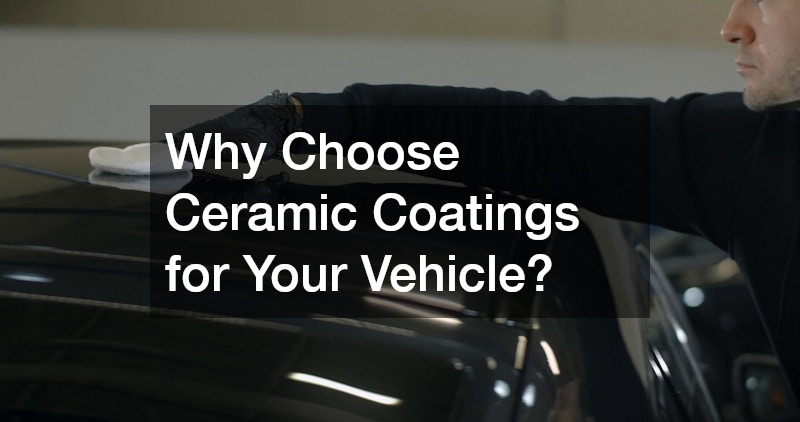
Why Choose Ceramic Coatings for Your Vehicle?
Ceramic coatings have gained popularity due to their superior protective qualities and ability to maintain long-term aesthetic appeal. Composed of silica-based polymers, ceramic coatings bond to a vehicle’s paint, creating a highly durable, chemical-resistant layer that repels water, dirt, and grime. The high gloss and depth they provide make them a premium choice for car owners who frequently utilize auto detailing services or rely on local auto body shops for maintenance. Cost and value analysis indicate that while ceramic coatings require a higher initial investment than wax or sealants, they reduce the need for frequent applications and can prolong the life of paintwork, particularly for vehicles requiring bmw repairs or alignment work.
Professional application ensures even coverage and long-lasting performance, though DIY options are available for those comfortable with careful surface preparation. Additionally, ceramic coatings can complement windshield replacement services and windshield tinting by maintaining the visual clarity and longevity of glass surfaces. For drivers seeking maximum protection and ease of maintenance, ceramic coatings provide an unmatched combination of beauty, durability, and value, especially when paired with periodic professional inspections and care.
Understanding Paint Protection Film (PPF)
Paint Protection Film (PPF) is a transparent, durable layer applied to the most vulnerable areas of a vehicle, including bumpers, hoods, mirrors, and door edges. Unlike coatings that form a thin barrier, PPF physically absorbs impacts from rocks, debris, and minor collisions, making it a preferred choice for car owners concerned about auto dent repair and daily wear. Benefits of PPF include scratch resistance, chemical protection, and preservation of original paint, all of which are vital for vehicles requiring alignment adjustments or bmw repairs. However, PPF has limitations: it can be costly, requires professional installation, and is less effective on large surface areas due to material and labor expenses.
The installation process involves precise measurements, careful cleaning, and expert application by trained mechanics or local auto body shops. Maintenance is straightforward but requires regular washing and avoidance of harsh chemicals. PPF can complement services such as powder coating services for exposed metal components and help reduce the frequency of windshield replacement services by protecting areas around glass. For drivers seeking long-term, high-impact protection, PPF represents a practical and highly effective solution.
What is a Graphene Coating and How Does It Work?
Graphene coatings are the latest innovation in automotive protection, utilizing a single layer of carbon atoms with exceptional strength, thermal conductivity, and chemical resistance. These coatings provide hydrophobic properties, excellent scratch resistance, and improved heat dispersion, which can help maintain paint integrity for vehicles that undergo frequent bmw repairs or auto dent repair. Compared to wax, sealants, or ceramic coatings, graphene offers enhanced durability and longevity while maintaining a high gloss finish. Application requires careful surface preparation, similar to ceramic coatings, and can be performed by professional mechanics or specialized local auto body shops.
Maintenance is relatively easy, with periodic washing and occasional reapplication extending performance. Graphene coatings can also support additional services, such as powder coating services for rims or metal components, and may reduce the frequency of windshield replacement services by protecting surrounding surfaces. For drivers looking for cutting-edge automotive protection that combines visual appeal with exceptional resilience, graphene coatings represent an innovative, high-performance solution suitable for a wide range of vehicles.
How to Decide Which Car Coating Is Right for You?
Selecting the right car coating depends on individual needs, environmental factors, and budget. Car owners should analyze their usage patterns, climate conditions, and maintenance preferences to determine which option is most suitable. Vehicles that frequently require auto dent repair or bmw repairs may benefit from the impact resistance of PPF, while those that receive regular auto detailing services may prioritize the visual enhancement of ceramic or graphene coatings. Budget considerations also play a role: wax is cost-effective but requires frequent upkeep, sealants offer a balance of price and durability, and ceramic or graphene coatings require a higher initial investment but provide long-term protection.
Environmental factors, including sun exposure, road salt, and pollutants, can influence the effectiveness of coatings and should be considered when consulting with mechanics or local auto body shops. Lifestyle choices, such as commuting patterns and garage storage, also affect durability. Ultimately, professional application by skilled mechanics, combined with complementary services like alignment and powder coating services, ensures that the chosen coating delivers optimal protection and maintains vehicle value over time.
What are the Common Mistakes to Avoid When Applying Coatings?
When applying automotive coatings, preparation and technique are crucial for effectiveness and longevity. Skipping surface prep, such as washing, decontaminating, and polishing, can trap dirt beneath the coating, leading to scratches and uneven protection. Misapplication techniques, including applying too much product or using improper tools, can reduce durability and compromise the finish. Choosing the wrong product for your vehicle or environment can also limit performance—mechanics often advise consulting local auto body shops to match coatings with climate conditions and vehicle usage.
Ignoring cure times is another common error; coatings must be allowed to bond fully to the paint to maximize their protective properties. Overlooking maintenance, such as infrequent washing or neglecting auto detailing services, can reduce the coating’s effectiveness, leading to accelerated wear and potential need for auto dent repair or windshield replacement services. By understanding these pitfalls and consulting professionals, car owners can ensure coatings like wax, sealants, ceramic, PPF, or graphene deliver optimal protection, longevity, and aesthetic benefits.
How Often Should You Reapply Different Types of Car Coatings?
Reapplication schedules vary by coating type and environmental exposure. Wax coatings generally require reapplication every 4–8 weeks due to limited durability, while sealant coatings can last 6–12 months before maintenance is needed. Ceramic coatings require less frequent reapplication, typically every 2–3 years, provided the vehicle undergoes regular auto detailing services and care from mechanics or local auto body shops. Paint Protection Film (PPF) is more durable, often lasting 5–10 years with proper cleaning and maintenance, making it ideal for vehicles prone to auto dent repair or requiring bmw repairs.
Graphene coatings offer the longest lifespan among modern coatings, with potential protection lasting 5 years or more, especially when paired with appropriate washing, alignment checks, and occasional professional inspections. Following these timelines ensures that coatings continue to provide protection against environmental hazards, scratches, and wear while supporting complementary services such as windshield replacement services, windshield tinting, and powder coating services for vehicle components.
What Are the Costs Involved with Car Coatings?
The cost of automotive coatings varies significantly based on type, vehicle size, and professional application. Waxing is the most affordable option, typically ranging from $20 to $100, making it accessible for routine maintenance. Sealant coatings cost more, often $50–$200, but offer extended durability and gloss. Ceramic coatings require a higher investment, ranging from $500 to $2,000, but reduce long-term maintenance needs and complement services like auto detailing services, alignment, and windshield tinting.
Paint Protection Film (PPF) can cost $1,000–$5,000 depending on coverage, providing high-impact protection for areas prone to auto dent repair or bmw repairs. Graphene coatings are the premium option, typically $1,500–$3,000, combining cutting-edge technology with long-lasting protection. These costs are further influenced by labor, consultation with mechanics, and integration with services such as powder coating services or local auto body shops, ensuring that your vehicle maintains both aesthetic appeal and functional protection over time.
Choosing the right coating for your car requires careful consideration of your vehicle’s needs, environmental exposure, budget, and desired level of protection. From traditional wax and sealant coatings to advanced ceramic, PPF, and graphene options, each offers distinct advantages in durability, gloss, and ease of maintenance. Consulting with local auto body shops and professional mechanics can help ensure proper application, prevent common mistakes, and optimize the longevity of the coating.
Incorporating complementary services like auto detailing services, auto dent repair, bmw repairs, alignment, windshield replacement services, windshield tinting, and powder coating services enhances protection while maintaining the aesthetic and functional value of your vehicle. Ultimately, selecting the right coating allows car owners to enjoy long-term benefits, including reduced damage risk, improved appearance, and a well-maintained investment that retains value for years to come. Prioritizing high-quality coatings and professional application ensures peace of mind and a vehicle that consistently looks and performs its best.